
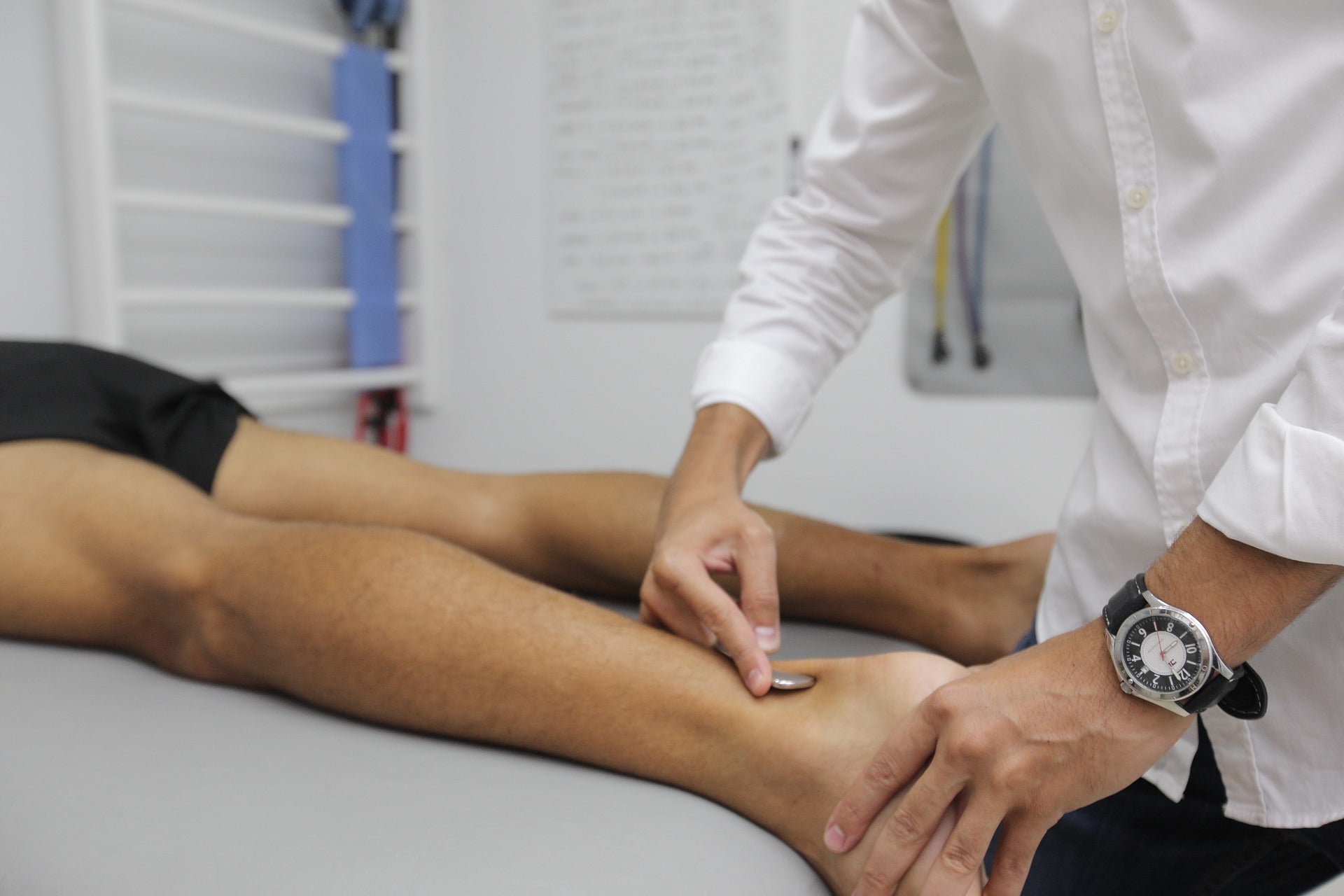
Carpal Tunnel Syndrome. Quadrilateral Space Syndrome. Pronator Syndrome.

These are the classics that you may be aware of, but peripheral nerve entrapments are the root causes of pain more than you may think.  In fact, most practitioners encounter these in some form or fashion on a weekly basis.

This unique course offering takes our FAKTR concepts and applies them to the assessment and treatment of peripheral nerve entrapments–de-mystifying these syndromes and providing you with treatments you can apply immediately on Monday morning.

In the video above, our Director of Education, Dr. Todd Riddle sat down with our two FAKTR PNE instructors to discuss the new course and answer important questions regarding these common patient presentations.

Click here to learn more about our FAKTR PNE course and view upcoming course dates.
Other Posts Like This

View all

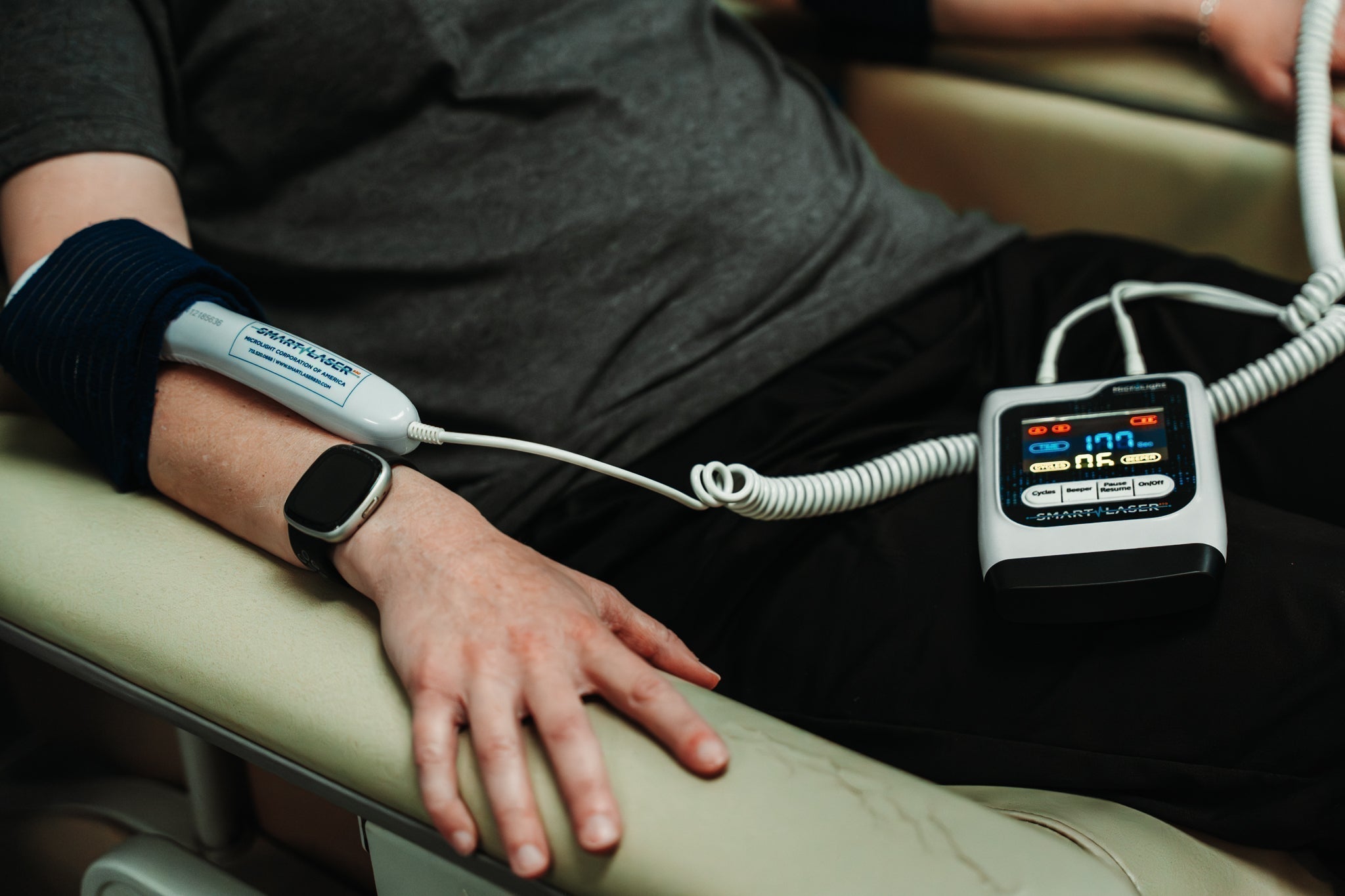
Partner Spotlight: Microlight Lasers — A Rare 50% Discount

Partner Spotlight: Microlight Lasers — A Rare 50% Discount

Microlight Lasers are offering 50% off through December 31, with savings of up to $4,000. Here’s why FAKTR trusts Microlight—and how to take advantage of this rare partner offer.

Read more

Breathing Thin Air: The Future of Muscle Recovery?

Breathing Thin Air: The Future of Muscle Recovery?

A new study unveils the remarkable potential of hypobaric hypoxia for muscle injury recovery. Learn how simulating high-altitude conditions could offer athletes and the active population a revolutionary path to faster healing and enhanced physical health.

Read more

4 Critical Ways Sleep Impacts Sports Performance: A Case Study of the 2024 Superbowl

4 Critical Ways Sleep Impacts Sports Performance: A Case Study of the 2024 Superbowl

When it comes to winning in sports the margin of error is extremely small. Even tiny alterations from optimal can be the difference between winning and losing. When we discuss the factors that can lead to peak performance, one of the most overlooked factors is sleep. Not only does sleep assist in achieving efficient recovery, but the research is very clear that those who get less than 8 hours of sleep per night on average are 1.7 times more likely to get injured.

Read more